
A calm plan for grown-ups too
Kids’ Halloween Party Ideas: Fun, Spooky and Easy to Manage
The best children’s party is not the one with the most activities. It is the one where children understand the space, nobody is forced into a scare and the host can keep the next ten minutes under control.
Start with the age group
Ages 3–5
Use familiar music, visible lighting, simple finding games and friendly pumpkin or ghost themes. Keep the party around 75–90 minutes and avoid masks or props appearing unexpectedly.
Ages 6–8
Add team clues, freeze dance, craft or decorating stations and mild theatrical effects. Explain any moving prop before switching it on and offer an easy way to watch from a distance.
Ages 9–12
Use longer clues, costume categories, supervised pumpkin activities and optional scarier zones. Agree boundaries in advance; “older” does not mean every child enjoys jump scares.
A manageable 90-minute schedule
- 0:00–0:15 — Arrivals: coats, names, one visible table activity and a clear explanation of which rooms are in bounds.
- 0:15–0:30 — Movement: freeze dance or a short colour-team hunt before children become restless.
- 0:30–0:50 — Food: seated food with water visible and allergy-aware serving arrangements.
- 0:50–1:10 — Main game: one team clue trail, pumpkin bowl or age-appropriate challenge.
- 1:10–1:25 — Calm activity: story chain, drawing, costume categories or photos.
- 1:25–1:30 — Collection: belongings and take-home items ready before adults arrive.
Set a “scare dial”
Tell families whether the party is friendly, spooky or deliberately scary. Avoid hidden touch, chase scares and blocked exits. Show children powered or moving props before activation, and make every scarier zone optional.
A quiet chair or room with normal lighting is not a punishment. It gives an overwhelmed child somewhere to reset without leaving the party.
Keep lighting usable
Create atmosphere on one wall or table while keeping doorways, steps, food and toilets clearly lit. Secure cables against walls. Never cover bulbs, heaters, smoke alarms or signs with decorations.
Glow products can help define teams or add excitement, but follow their instructions and do not allow children to chew, cut or open them.
Plan food around information
Ask parents or carers about allergies and dietary needs in advance. Keep ingredient packaging available, use separate utensils where required and do not use unknown foods inside mystery-touch activities.
Serve water somewhere obvious and use a seated food period rather than letting children run with cups or plates.
Check costumes before games
Remove masks for running games and stairs. Check that hems, capes and accessories will not trip the wearer or catch on furniture. Toy weapons should stay out of active games.
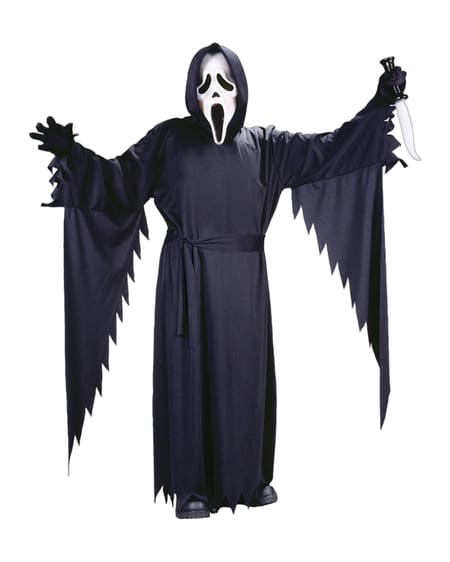
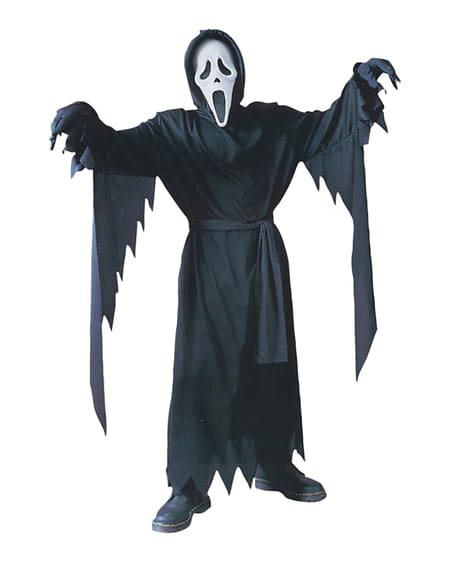
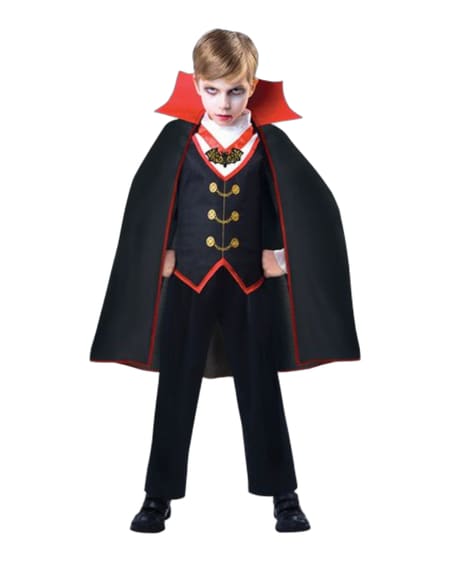
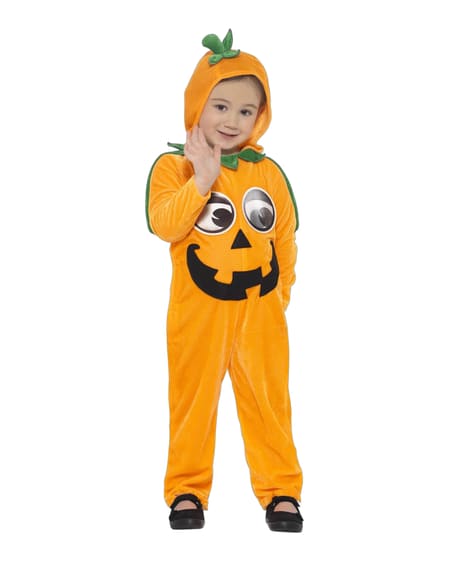
For buying help, use the current children’s costume collection and confirm the listed age or dimensions rather than guessing from a general “small” or “medium”.
Simple party helpers currently available
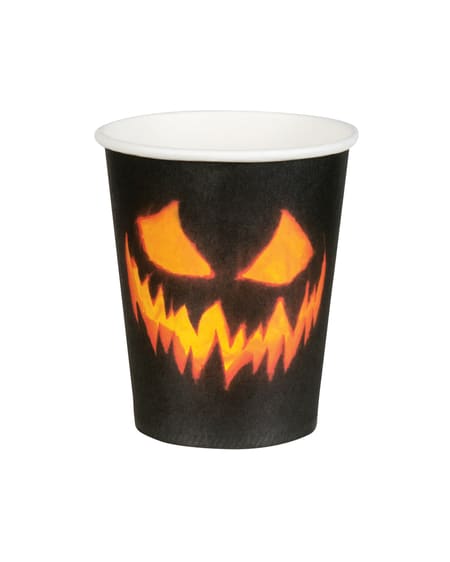
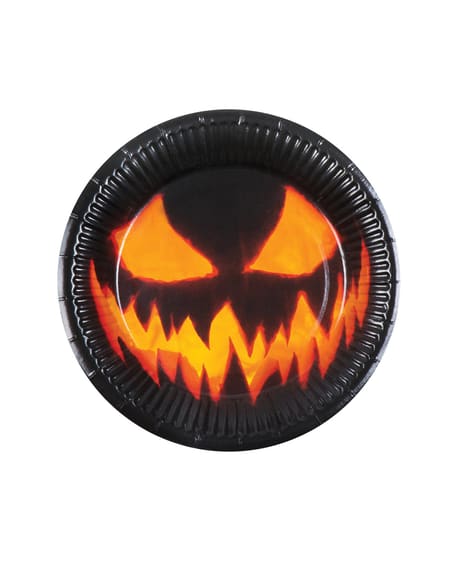
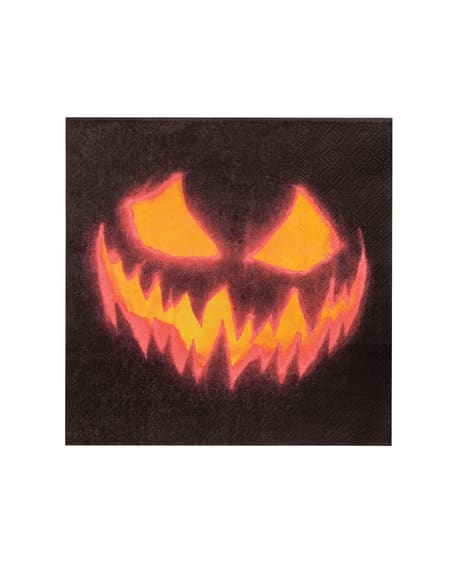
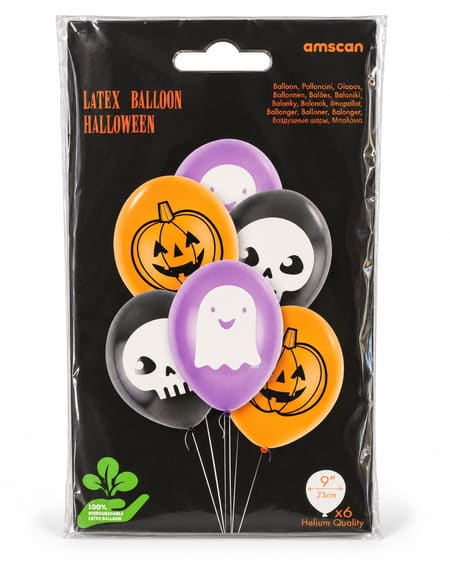
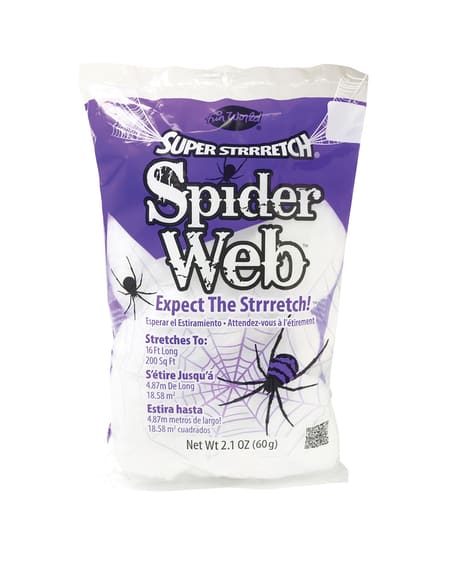
These support the table, team activity and room setup. The plan still works with reusable tableware and decorations you already own.
Current children’s costumes
Stock is shown live. Check the individual listed size, visibility and accessories before choosing.
Frequently asked questions
How long should a children’s Halloween party last?
Around 75 to 90 minutes works well for younger children. Older children can usually manage two hours when the schedule alternates active and calm activities.
How can I make Halloween fun for a child who dislikes scares?
Explain what will happen, avoid surprise touch or chase scares, keep the lighting usable and provide a quiet reset space. Let every activity be optional.
How many adults should supervise?
Use enough adults to cover the activity area, food or allergy needs, toilets and arrivals or collection without leaving any zone unattended. The exact number depends on ages, needs and venue rules.